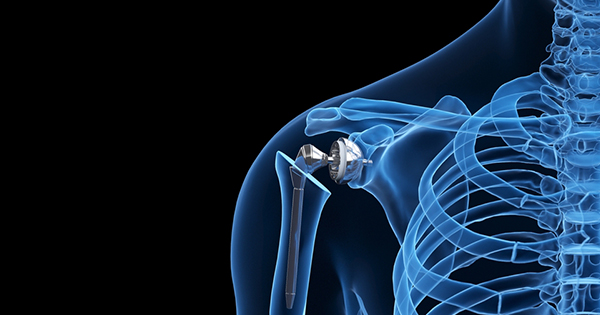
Reverse shoulder replacement is a specialized surgical procedure designed to restore shoulder function in patients with complex shoulder conditions, particularly when traditional joint replacement options are unsuitable. Unlike conventional shoulder arthroplasty, where the ball and socket are preserved in their natural orientation, reverse shoulder replacement involves reversing the normal anatomy—attaching the ball component to the shoulder socket and vice versa—allowing the deltoid muscle to compensate for a deficient rotator cuff. This innovative approach has revolutionized the treatment of shoulder ailments, especially in cases of rotator cuff arthropathy, severe fractures, or failed previous surgeries. Dr. Naveen Palla emphasizes that understanding the causes and appropriate management strategies is crucial for optimal outcomes. For those experiencing persistent shoulder pain, Shoulder arthroplasty in Vizag offers a minimally invasive solution that helps them regain mobility and relieve discomfort efficiently.
Causes of Shoulder Conditions Leading to Reverse Shoulder Replacement
The primary indications for reverse shoulder replacement often stem from complex shoulder pathologies. Rotator cuff tears that do not heal or are accompanied by cuff tear arthropathy—where rotator cuff degeneration coexists with arthritis—are significant causes. Trauma, such as complex proximal humerus fractures, especially in elderly patients with osteoporotic bones, can also necessitate this procedure. Chronic shoulder dislocations, severe osteoarthritis with rotator cuff deficiency, or failed prior shoulder surgeries are other contributing factors. These conditions weaken the shoulder’s natural biomechanics, leading to pain, limited mobility, and functional impairment. The Best Orthopedician in Vizag notes that early diagnosis and understanding the underlying cause are vital in selecting the appropriate treatment modality.
Treatment Options for Shoulder Conditions
Treatment approaches for shoulder ailments range from conservative to surgical interventions. Initially, non-surgical options include physical therapy, pain management with medications, corticosteroid injections, and activity modifications aimed at improving shoulder stability and reducing discomfort. When conservative measures fail to provide relief, surgical options are considered. Traditional shoulder replacement, or anatomic shoulder arthroplasty, is effective in cases of primary osteoarthritis with intact rotator cuffs. However, for patients with rotator cuff deficiency or complex fractures, reverse shoulder replacement offers superior outcomes by leveraging the deltoid muscle. Dr. Naveen Palla, an Orthopedic doctor in Vizag highlights that preoperative assessment—including imaging and muscle strength evaluation—is essential to determine the most suitable surgical plan. The Best Orthopedic hospital in Visakhapatnam is renowned for its specialized shoulder care, where they expertly diagnose and treat a wide range of shoulder issues, ensuring patients regain their mobility and confidence with personalized treatment plans.
Management and Postoperative Care
Postoperative management is critical to ensure successful recovery and restore shoulder function. After reverse shoulder replacement surgery, patients typically undergo a period of immobilization with an arm sling to protect the joint. Gradual physical therapy is initiated to regain range of motion, strengthen surrounding muscles, and prevent stiffness. The rehabilitation process usually spans several months, with tailored exercises to enhance mobility and strength. Pain management with medications and regular follow-up visits are essential components of postoperative care. Dr. Palla, an Orthopedic surgeon in Vizag stresses that adherence to the prescribed rehabilitation protocol significantly influences the surgical outcome. Long-term management also involves monitoring for potential complications such as dislocation, infection, or prosthetic loosening, which require prompt attention.
Conclusion
Reverse shoulder replacement represents a transformative advancement in shoulder surgery, offering hope to patients with complex shoulder conditions that were previously difficult to treat. By reversing the anatomy of the shoulder joint, it enables the deltoid muscle to compensate for rotator cuff deficiencies, restoring function and alleviating pain. Understanding the causes—such as rotator cuff tears, arthritis, or fractures—helps tailor the treatment approach. Comprehensive management, from diagnosis through postoperative care, is essential for achieving optimal results. Under the guidance of experienced surgeons like Dr. Naveen Palla, patients can anticipate improved quality of life and shoulder function, even in the most challenging cases.
Navigation
- What is Reverse Shoulder Replacment?
- Knee Pain due to ACL Tear : Causes and Remedies
- How to Relieve Knee Pain Naturally
- Preventing Workplace Injuries
- Winter and Joint Replacement Care
- Common reasons for visiting an Orthopedic doctor
- Bones, Joints & Pains
- Osteoporosis & its effects
- Sports Injury Depression - How to find the best sports medicine specialist
- Arthroscopy – one good approach with benefits
- Common sports injuries and precautions
- Living with Hip Pain? Hip pain causes and precautions
- Arthroscopy surgery and its recovery
- Knee arthroscopy procedures & when do you need arthroscopy
- Partial Vs Total Joint Replacement What is The Difference?
- Stem Cell and PRP Therapy Advantages for Arthritis problems
- Sports injuries and Orthopedic Care: Getting Back in the Game
- Common Ankle Conditions and how Arthroscopy is useful